

Why Color Is Having a Moment in Fine Jewelry
Colored gemstones are capturing consumer attention beyond the traditional three, with dealers pointing to individuality, storytelling, and a desire for heirloom-quality pieces as key drivers.
Take a walk through any jewelry show and one thing is pointedly clear: Color is in.
It’s not that colored gemstones haven’t always been in demand, but after years of chunky gold and sparkling diamonds, color seems to have a new grip on fine-jewelry audiences.
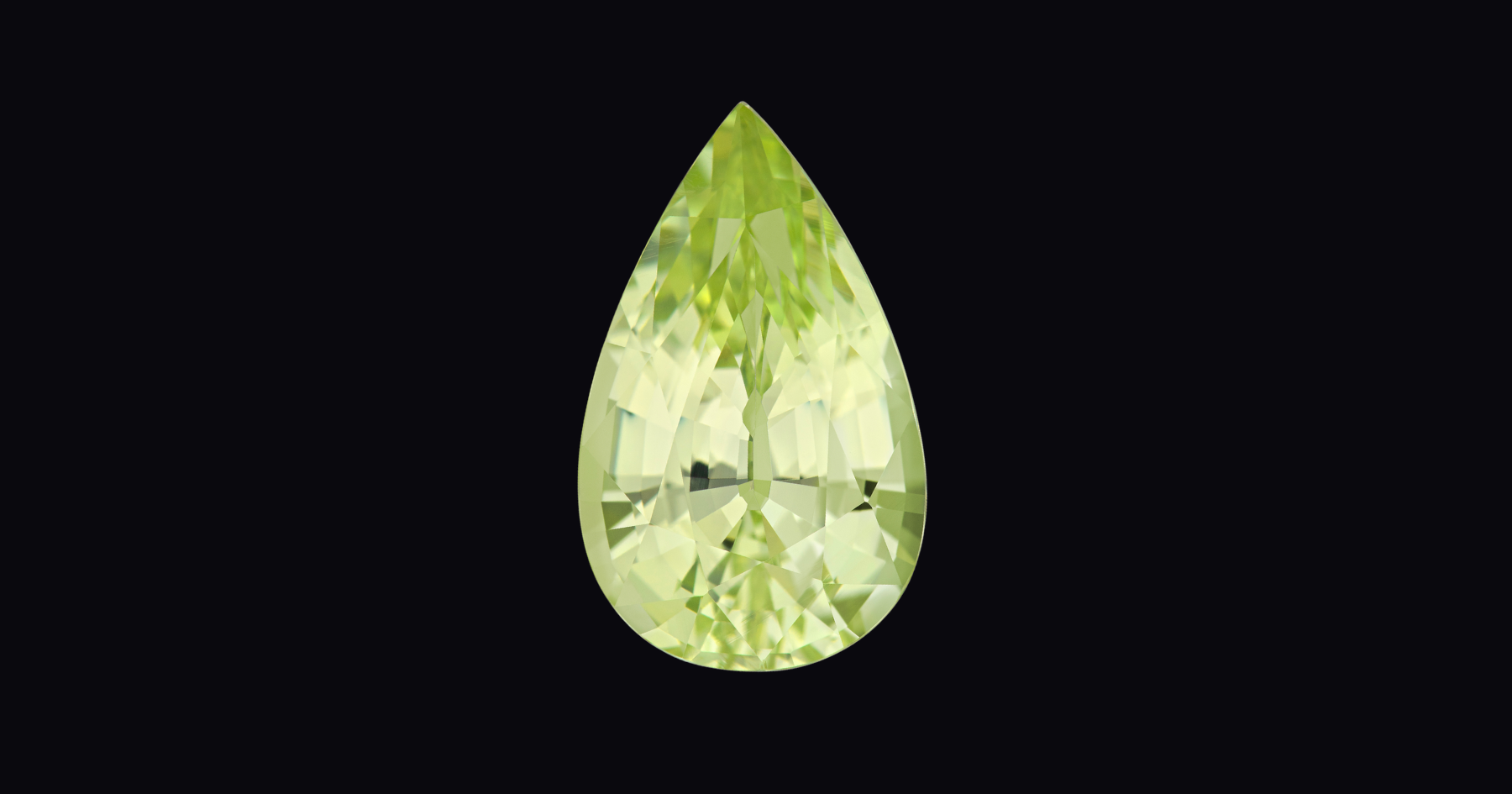
Dolphin pendant in 18k white and yellow gold with 11.86 ct. Boulder opal and 0.01 ct. t.w. diamonds, price on request; Denny Wong Designs
Experts are tracking the trend
The gemmy buzzwords as of late: Montana sapphire, tourmaline, spinel, and topaz, particularly in the shades of blue and green that seem to resonate with consumers. Kimberly Collins, a gemstone and fine-jewelry dealer based in Reno, Nev., tells JCK that garnets in all colors have been particularly popular with her clients, and recommends that jewelers pay close attention to Paraiba tourmaline and padparadscha sapphire.
Randy Poli of Poli Trading Co. also points to garnet. “I am a big fan of rhodolite garnet, personally,” Poli says. “I think the stone has a very rich color and excellent brilliance, and is quite impressive even in larger sizes, which allows for bolder and more impactful pieces without having to break the bank. I have noticed a pretty steep increase over the past year or so in this gemstone, but it is still available at a pretty reasonable price point.”
While this “new” (to many consumers) class of gemstones has been rising in the ranks of the most desired, gemstone dealers say the precious three—sapphire, ruby, and emerald—remain ever popular, particularly in the highest grades.
“We have noticed that clients have been purchasing mainly the top-quality sapphires and rubies that we have,” says Jeremy Hakimi of Colorline Inc. “They’re looking for well-cut stones with excellent clarity, color, and brilliancy. Many clients are also requesting unheated stones.”

Colorline Inc.
Collins echoes the notion that consumers are looking for the highest quality among the classics. “Based on calls in my office, and interest in Tucson and Vegas, the end consumer is looking for investment and heirloom pieces more than ever in my 30-plus-year career,” she says. “I would recommend [retailers] pay attention to finer qualities in ruby, emerald, and sapphire.”
Why now?
The reason for the demand for color—particularly among younger clients, Hakimi says—may be what one might have guessed: uncertainty in the diamond market.
“There’s too much uncertainty in diamonds—synthetics have ruined the perceived value of diamond pieces,” Collins says. “People are looking for heirloom pieces that will hold value in a family legacy; they are looking for individuality and color. Colored gemstones step up to the plate in all the categories.”
“I think there is still some confusion out there regarding synthetic diamonds, and rather than trying to figure out who is ‘right or wrong,’ a lot of people are turning toward color,” Poli says.
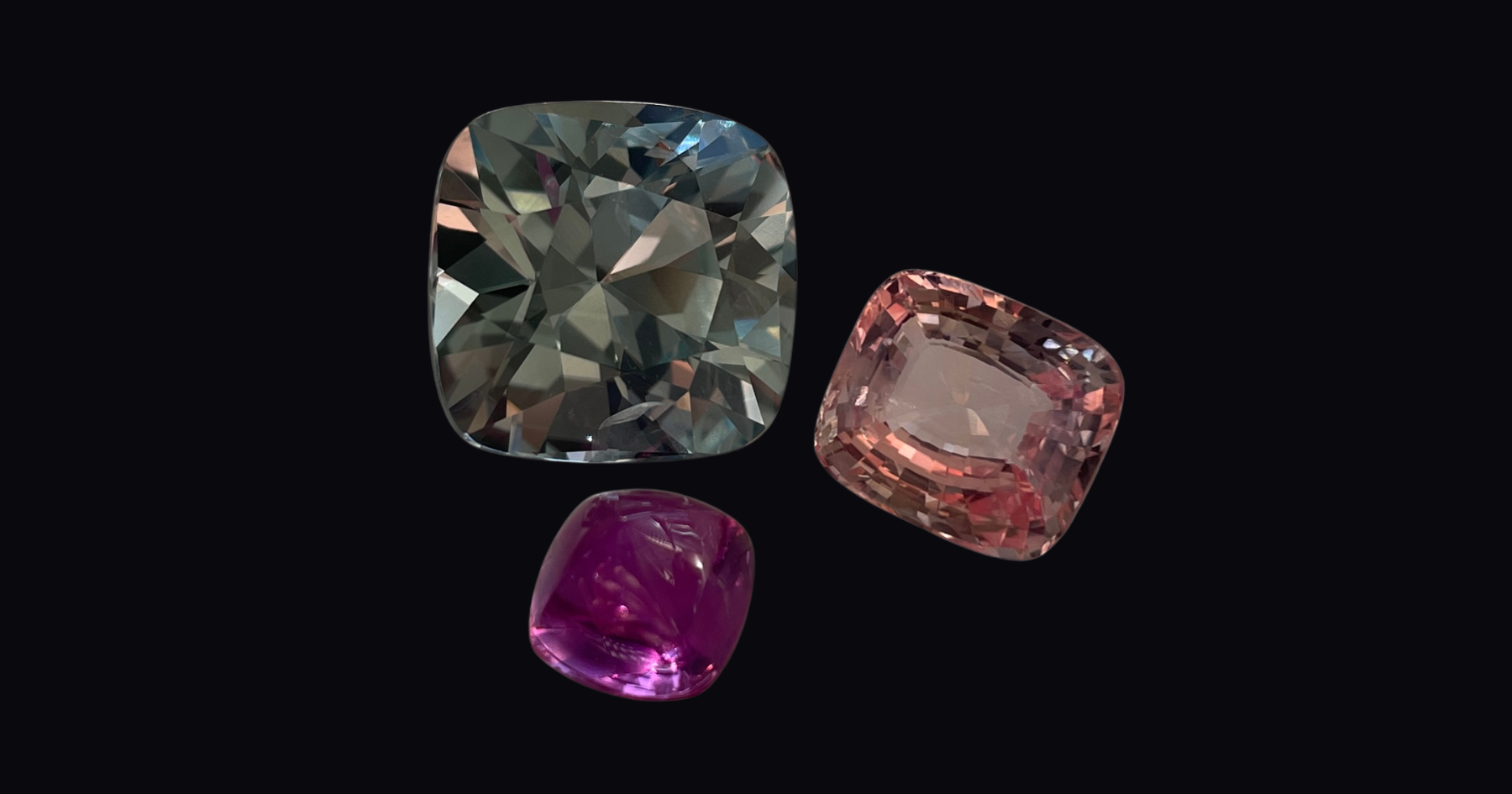
Poli Trading Co.
But wanting something different from the classic diamond isn’t the only reason for the shift. There is perhaps a bigger force behind the demand: storytelling.
Much like what we’re seeing in designer jewelry, consumers want pieces that feel individual to them—something that helps them feel unique. Particularly among younger clients, Hakimi says, “they want to be different, they want something their friends don’t have. Every colored gemstone is different from the next one; each stone tells its own story. I believe clients appreciate the rarity of colored gemstones, and the history behind them.”
“Everyone has a favorite color,” Collins says. “We are attracted to certain shades that make us happy, evoke excitement—reminders of something special like a perfect sunset, the green in a forest, the color of someone’s eyes. People want to be reminded of all those things and more—color does that.”
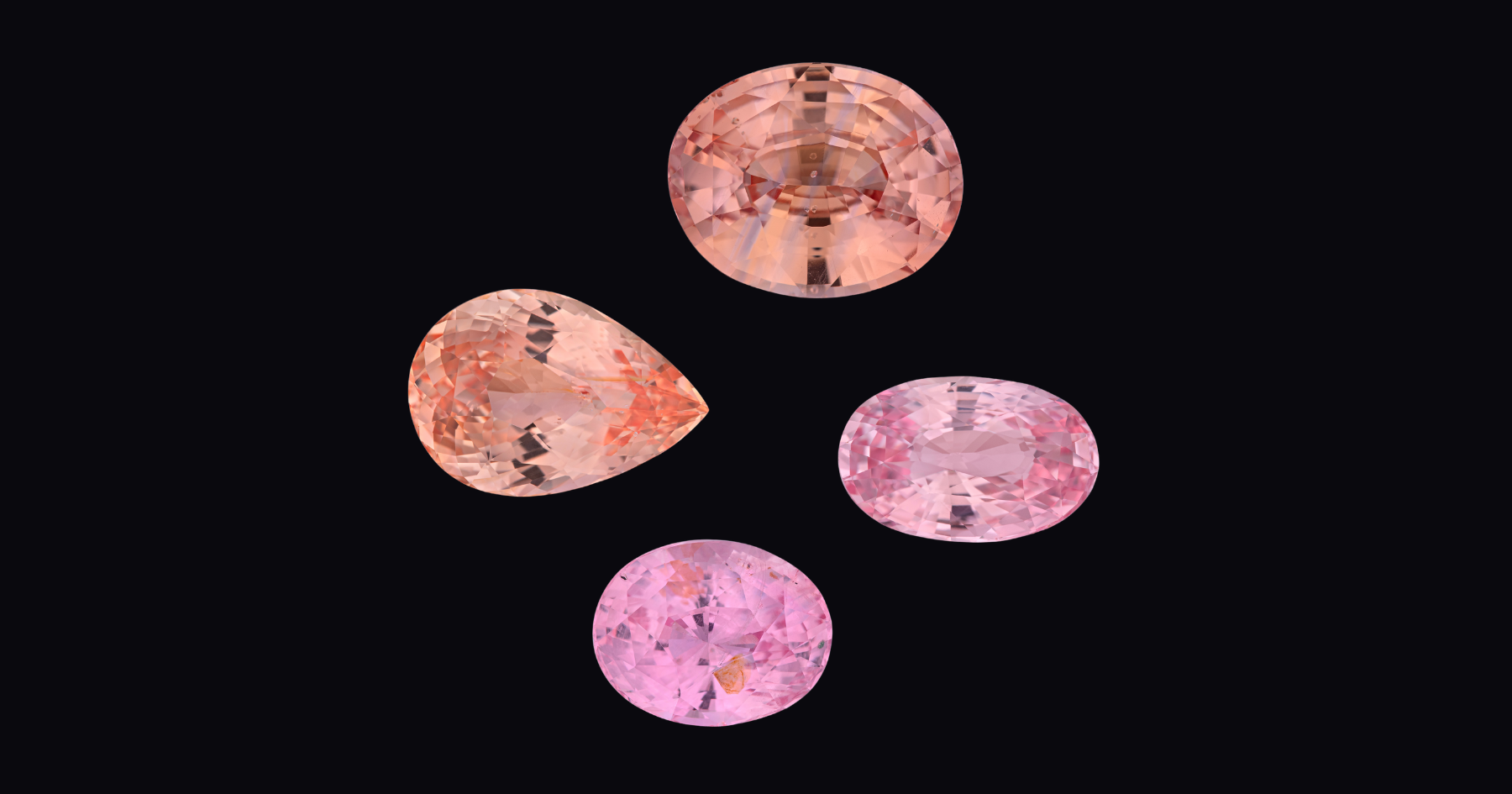
Padparadscha sapphires, 2.02 – 5.56 ct. in size; Kimberly Collins
For retailers, that may be the biggest opportunity of all. Colored gemstones aren't simply an alternative to diamonds; they give sales associates another way to start a conversation. A customer's favorite color, a meaningful place, a birthstone, or even a desire for something no one else has can all become the starting point for a more personal purchase—and, potentially, a piece with a story that lasts far beyond the sale.